
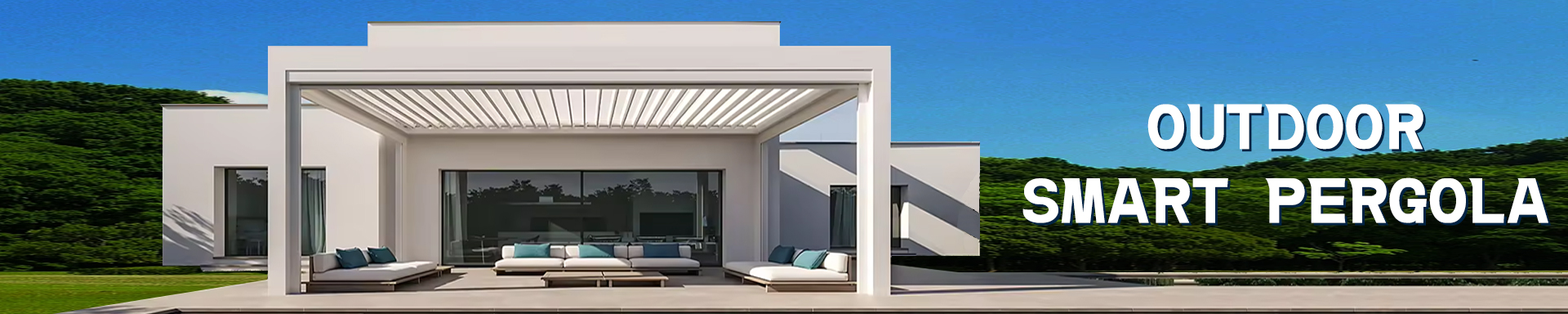
Motorized Pergola vs Retractable Awning: Quick Comparison
1.Structural Differences Between Motorized Pergolas and Retractable Awnings
1.1 Frame Materials and Durability
When evaluating motorized pergolas versus retractable awnings, the frame material defines long-term performance and resilience. Motorized pergolas generally use aluminum or powder-coated steel, offering superior rust resistance and the ability to handle heavier loads over extended periods. Retractable awnings, on the other hand, often feature lighter aluminum frames combined with fabric tension arms, which are more vulnerable to weather-related wear. A properly built Aluminum motorized pergola can withstand winds above 40 mph, whereas many awnings start to flap around 25 mph. Strong materials ensure both durability and safety, making them essential for any long-term outdoor shading investment.1.2 Roof Mechanisms: Louvers vs. Fabric Panels
The roof system is a major differentiator. Motorized pergolas employ rotating louvers to regulate sunlight, airflow, and rain protection. Louvers are made from corrosion-resistant aluminum, require minimal upkeep, and provide precise shade control. In contrast, retractable awnings use fabric panels that stretch and retract. These fabrics can fade, tear, or accumulate debris, requiring more maintenance over time. Installing a louvered pergola provides homeowners with a versatile and durable solution, combining practical weather protection with elegant design.1.3 Wind and Weather Resistance
Weather resilience is critical for long-term usability. Motorized pergolas feature reinforced posts, crossbeams, and locking louvers that stabilize the structure in high winds and moderate storms. Retractable awnings, with less rigid frameworks, are prone to mechanical strain or failure if extended during gusty conditions.| Feature | Motorized Pergola | Retractable Awning |
|---|---|---|
| Wind Resistance | 40–50 mph | 20–25 mph |
| Rain Protection | Full coverage when louvers closed | Partial, dependent on fabric tension |
| Lifespan | 15–20+ years | 5–10 years |
| Maintenance | Low; occasional cleaning and lubrication | Moderate; fabric replacement and frame checks |
In summary, motorized pergolas deliver stronger structure, greater longevity, and superior weather adaptability, while retractable awnings provide cost-effective, lighter solutions but require more upkeep and are less reliable in harsh conditions.
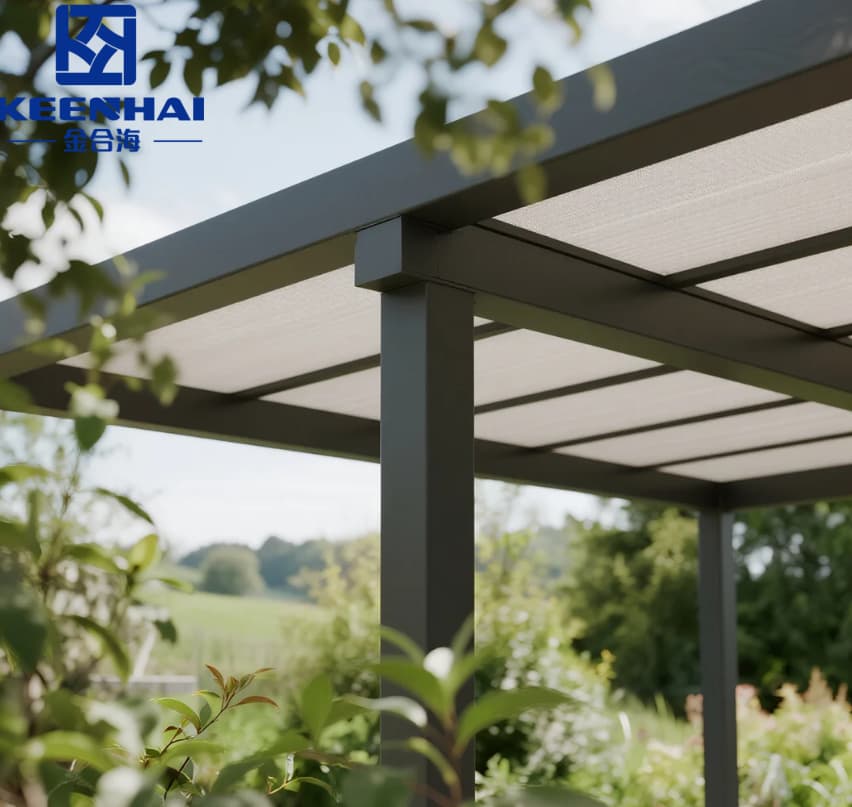
2.Installation and Setup Considerations
2.1 Site Preparation Requirements
Proper site preparation ensures that a motorized pergola or retractable awning operates smoothly and safely. Begin by measuring the designated area precisely and confirming the ground is level. Next, inspect for proper drainage to prevent water pooling around posts. If installing a motorized system, ensure there is safe access to a power supply that can handle the load. For example, outdoor-rated outlets should be installed at least 18 inches above ground, and conduit should protect wiring from moisture and rodents. Professional-grade installations often include additional ground anchors and leveling adjustments, ensuring stability for both small and large pergola models. A well-prepared foundation reduces stress on louvers or fabric panels, prolonging the structure's lifespan.2.2 Professional vs. DIY Installation Complexity
Deciding between professional and DIY installation depends on both skill level and the pergola type. Motorized systems, such as an Aluminum motorized pergola, usually require precise alignment, wiring, and secure mounting, making professional installation the safer option for most homeowners. DIY installation may work for smaller or semi-automated units but typically involves 1) unpacking components, 2) assembling the frame, 3) securing posts, 4) mounting louvers or fabric panels, and 5) connecting the motor and controls. Skipping critical steps or misaligning louvers can reduce both functionality and durability, so thorough planning and following step-by-step instructions are essential.2.3 Electrical and Motor Integration
Integrating motors and electrical systems requires careful attention to detail. Start by verifying the motor's voltage and compatibility with your home's circuit. Then, install the receiver and connect the remote or smart home interface. Testing the system involves 1) running the motor through full louver rotation, 2) checking for smooth retraction and extension, and 3) ensuring all safety sensors respond correctly. For homeowners installing an Aluminum automated pergola, proper motor calibration and secure wiring are critical to prevent motor strain, reduce noise, and guarantee long-term reliability. Electrical integration is not only about functionality but also about safety compliance and weatherproofing for outdoor conditions.
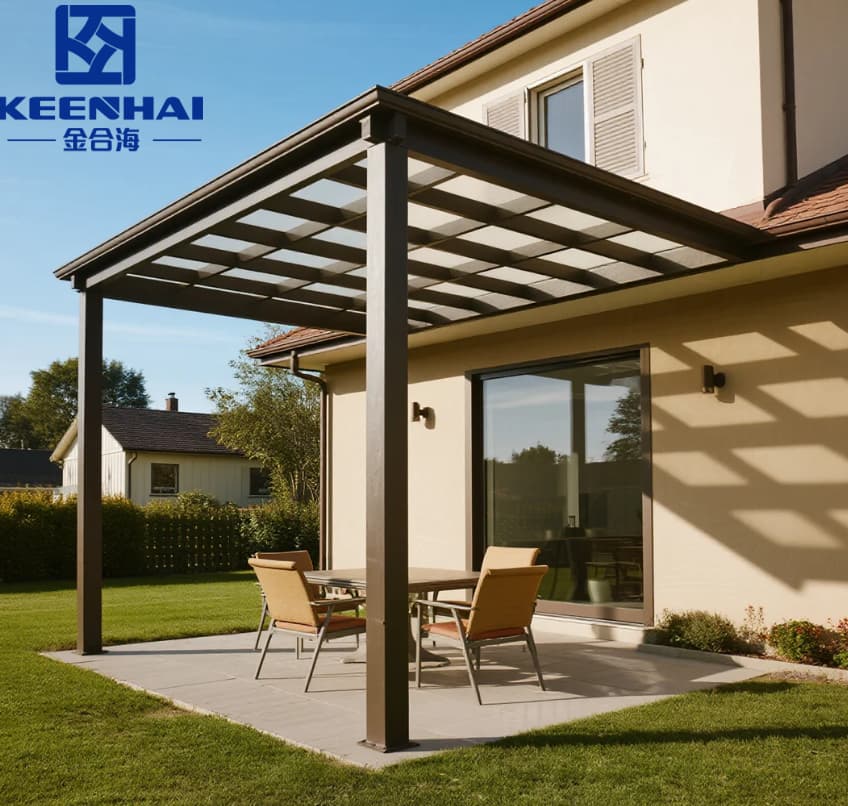
3.Functional Advantages and Limitations
3.1 Adjustable Shade and Sun Control
One of the key benefits of a motorized pergola or louvered pergola is the ability to control sunlight with precision. Users can tilt louvers to block harsh sun while allowing airflow, creating a comfortable outdoor environment throughout the day. For instance, automated pergolas offer stepwise or fully adjustable louver angles, enabling custom shading for patios, decks, or poolside areas. Unlike traditional retractable awnings, which only extend or retract linearly, these systems provide fine-tuned control over light intensity and direction, improving usability and comfort in varied climates.3.2 Rain Protection and Water Drainage
Modern motorized pergolas excel at rain management compared to standard retractable awnings. Integrated gutters and channels divert water effectively, preventing pooling on fabric panels or under the structure. Some models, like the Retractable Pergola, allow the roof to close fully with a single command, creating a dry, sheltered area during unexpected showers. Homeowners should ensure installation includes proper slope and drainage outlets to optimize water flow. This functionality combines convenience with structural integrity, making it superior for frequent outdoor use in regions with variable rainfall.3.3 Longevity and Maintenance Needs
The lifespan of a motorized pergola depends on material quality and maintenance frequency. Aluminum pergolas resist corrosion and fading, whereas wood may require annual sealing and protection from pests. Routine maintenance includes cleaning tracks, lubricating motors, and inspecting louvers or panels for debris. Systems like the Aluminum retractable gazebo benefit from minimal upkeep, while fabric awnings might need seasonal replacement due to wear and UV exposure. Understanding maintenance requirements upfront ensures optimal performance and prevents costly repairs, making it easier to plan for long-term outdoor enjoyment.
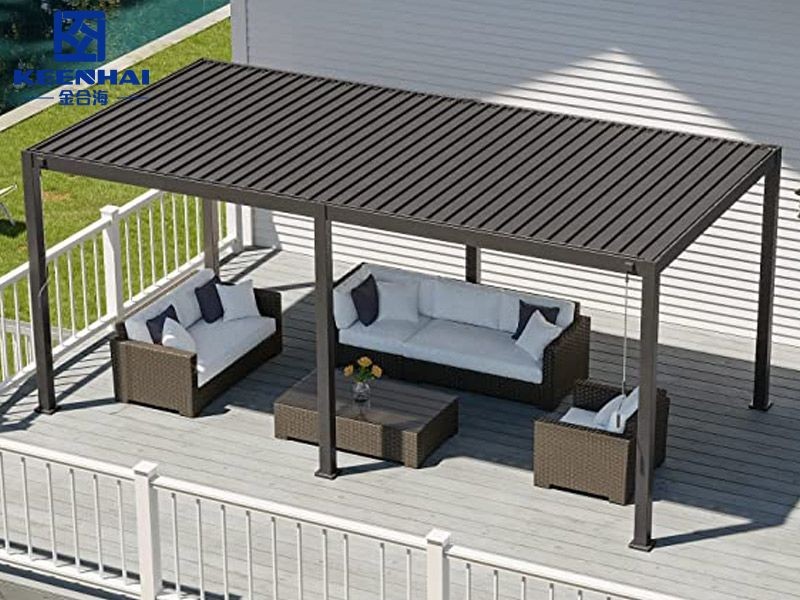
4.Cost Comparison and Value Analysis
4.1 Initial Material and Motor Expenses
When considering a motorized pergola, the initial investment depends heavily on material choice and motor quality. Aluminum options offer corrosion resistance and low upkeep, while wood demands sealing and maintenance. Premium motors from established brands provide smoother operation and longer durability, which can justify higher upfront costs. For instance, selecting a Aluminum motorized pergola may cost more initially than a basic retractable awning, but it delivers enhanced structural integrity and long-term reliability. Buyers should calculate 1.material costs, 2.motor system prices, and 3.any included hardware before finalizing a budget.4.2 Labor and Installation Fees
Installation complexity significantly affects overall value. Professional installation ensures proper alignment, secure anchoring, and seamless motor integration, reducing the risk of operational issues. Costs vary by region, but generally include site preparation, leveling, anchoring, and electrical wiring. Homeowners opting for a DIY approach should follow detailed guides and verify all components are present; however, errors can lead to additional expenses. Automated systems like a louvered pergola require careful calibration to achieve smooth louver movement, so weighing labor costs against long-term reliability is critical.4.3 Optional Features Impact on Total Cost
Additional features influence the total cost but can enhance value. Installing integrated LED lighting, rain sensors, or a remote-controlled motor system increases expenses by 10–25%, yet it significantly improves functionality. Adding waterproofing elements, gutter systems, or heating modules can prevent future damage and expand seasonal use. Stepwise cost planning includes: 1) base pergola price, 2) optional motors or automation packages, 3) lighting and sensor add-ons, and 4) extended warranty plans. Understanding how each upgrade affects usability and maintenance helps buyers make informed choices, ensuring the pergola delivers both convenience and long-term satisfaction.
5.Aesthetic and Design Flexibility
5.1 Integration with Outdoor Spaces
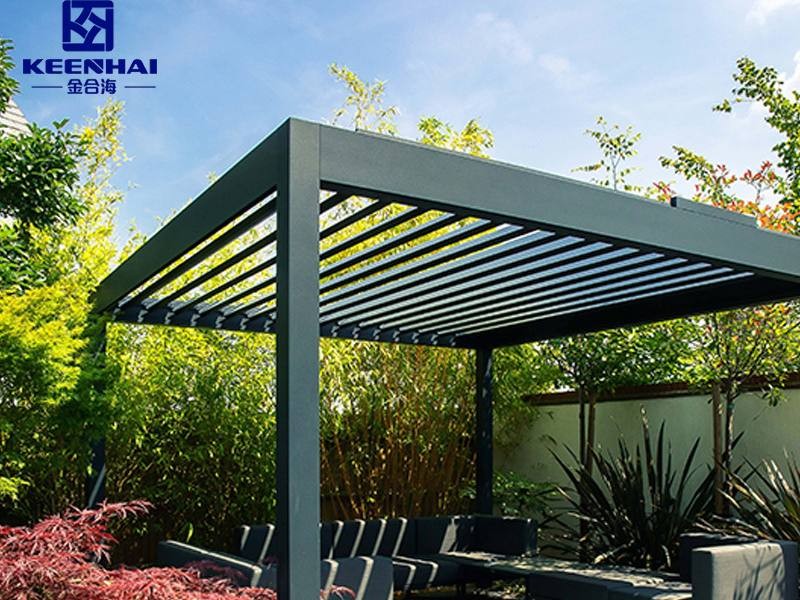
A motorized pergola seamlessly blends into various outdoor environments, from patios to poolside lounges, offering functional shade while enhancing visual appeal. Thoughtful placement allows homeowners to frame views, create cozy seating areas, or define dining zones. Using a louvered pergola, for example, provides adjustable light and shadow patterns that shift throughout the day, adding dynamic aesthetics. Designers often pair pergolas with planters, low-profile furniture, or ambient lighting to elevate outdoor comfort and style. Proper site integration ensures both usability and an appealing architectural statement.5.2 Color, Finish, and Style Options
Material choice directly impacts design flexibility. Aluminum systems can come in powder-coated colors, while wood allows natural stains or paints to match existing home exteriors. Popular finishes like matte, metallic, or textured surfaces enhance modern or classic aesthetics. For homeowners seeking a sleek, minimal look, an Aluminum automated pergola offers smooth lines and consistent finishes, whereas composite or timber materials bring warmth and rustic charm. Evaluating finishes early in planning helps coordinate with furniture, landscaping, and structural elements.5.3 Customization Possibilities for Homeowners
Motorized pergolas support a high degree of personalization. Options include roof types, louver angles, automation levels, integrated lighting, and remote-control settings. Some homeowners even incorporate smart sensors for sun, rain, or wind, automating louver adjustments throughout the day. By customizing size, layout, and optional features, a pergola can match both functional needs and design vision. This flexibility ensures the outdoor structure not only protects from weather but also enhances lifestyle, allowing homeowners to create a unique backyard retreat tailored to personal preferences.Get the latest price? We'll respond as soon as possible(within 12 hours)